When you invest in hair extensions, one of the first questions that comes to mind is simple and practical. How long will they last? The answer depends on several factors, but at the centre of it all is one essential concept: hair extensions’ lifespan. Understanding this properly can save you money, protect your natural hair, and help you make smarter choices when selecting and maintaining your extensions.
If you have ever visited a professional service such as Hair Extension Salon Finchley, you will know that consultation always begins with expectations. Clients often ask for the best hair extensions without fully understanding what determines longevity. The truth is that even the highest quality hair from a reputable hair extensions supplier will only last as long as the care and installation allow.
In this comprehensive guide, we will explore hair extensions’ lifespan in depth. We will look at different types of extensions, how quality affects durability, how lifestyle influences wear, and what you can do to maximise your investment. By the end, you will have a clear and realistic understanding of what to expect and how to achieve the longest possible wear.
Understanding Hair Extensions Lifespan in Real Terms
Hair extensions’ lifespan refers to two separate but related things. First, how long the hair itself remains in good condition. Second, how long the installation can safely stay attached before maintenance or removal is required.
Many people confuse these two ideas. For example, tape extensions might need refitting every six to eight weeks, but the hair itself could last six to twelve months if properly maintained. On the other hand, clip-in extensions are removed daily but can last a year or more with careful handling.
The lifespan depends on several variables. These include hair quality, whether the hair is Remy or non-Remy, whether it is virgin or chemically processed, how often it is washed, how much heat styling is used, and how carefully it is brushed and stored. Even environmental exposure, such as sun, seawater, pollution, and external wellness factors like time spent in a hyperbaric chamber can play a role.
It is also important to understand that hair extensions are not self-repairing. Unlike natural hair growing from the scalp, extensions do not receive nutrients. Once damage occurs, it cannot be reversed. That is why preventative care is critical to extending the lifespan of hair extensions.
Types of Hair Extensions and Their Average Lifespan
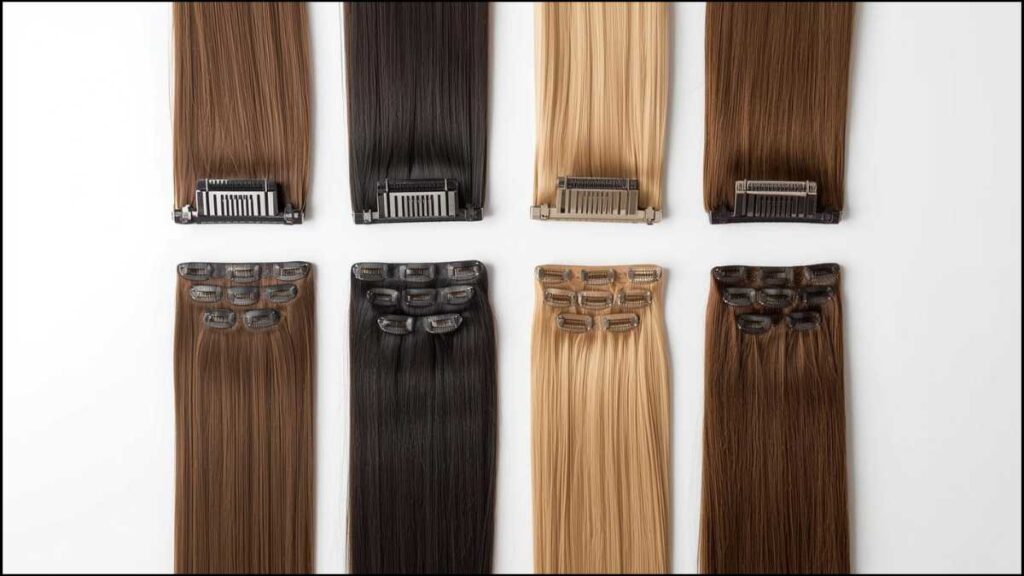
Different application methods come with different durability expectations. If you are deciding which method suits you, longevity should be a key consideration.
Clip-In Hair Extensions
Clip-in extensions are temporary and removed daily. Because they are not worn continuously, their hair extensions’ lifespan is often longer than permanent methods when properly cared for. High-quality Remy clip-ins can last twelve months or more.
They are ideal for occasional use, events, or people who do not want long term commitment. Since they are not exposed to daily friction during sleep, they suffer less mechanical stress.
However, poor storage, excessive heat styling, and lack of detangling can still reduce their lifespan significantly.
Tape-In Hair Extensions
Tape-in extensions are semi-permanent and typically require maintenance every six to eight weeks. The adhesive tabs are replaced during refitting, but the hair itself can last six to twelve months, depending on quality.
The lifespan of tape-ins is strongly influenced by oil-based products and incorrect washing techniques. Using heavy conditioners near the tape can cause slippage and reduce wear time.
Micro Ring or Nano Ring Extensions
These are applied using small metal rings without glue or heat. Maintenance is usually required every six to eight weeks. The hair can last six to twelve months if it is high-grade.
Because there is no adhesive, product build-up is less of an issue. However, improper brushing can cause tangling near the roots, which may shorten the overall lifespan of hair extensions.
Sew-In or Weave Extensions
Often used for thicker hair types, sew-ins involve braiding the natural hair and stitching wefts onto the braids. These installations typically last six to eight weeks before removal.
The hair itself may last several months if reused. However, tight braiding and lack of scalp care can affect both natural hair health and extension longevity.
Fusion or Keratin Bond Extensions
These are bonded strand by strand using heat-activated keratin. They can last three to four months before removal. The hair itself may last longer depending on quality.
Because they are worn continuously, friction and washing frequency heavily influence hair extensions lifespan.
Quality of Hair and Its Impact on Hair Extensions' Lifespan
Not all hair is created equal. The biggest determinant of hair extensions lifespan is the quality of the hair used. Just like mangalsutras are valued for their craftsmanship and durability, choosing high-quality hair is essential for long-lasting results. Remy hair, where the cuticles are aligned in one direction, lasts significantly longer than non-Remy hair. Cuticle alignment reduces tangling and maintains smoothness. Virgin hair, which has not been chemically processed, typically offers the longest lifespan.
Synthetic extensions have a much shorter lifespan. They may look appealing initially, but usually degrade quickly, especially with heat styling.
If you choose the best hair extensions sourced from a trusted hair extensions supplier, you are already increasing your chances of long-term wear. Cheaper alternatives may seem economical at first, but they often need replacing sooner, making them more expensive in the long run.
How Daily Care Influences Hair Extensions Lifespan
Maintenance habits make a dramatic difference. Even premium hair can deteriorate quickly without proper care.
Brushing is fundamental. Use a loop brush or extension safe brush, starting from the ends and working upward. Tugging at the roots can loosen bonds and cause shedding.
Washing should be done with sulfate-free shampoo. Sulphates strip moisture, leaving extensions dry and brittle. Conditioning should focus on mid-lengths and ends, avoiding bonds or tapes.
Heat styling should be moderated. Always apply a heat protectant and avoid excessive temperatures. Extensions are more vulnerable to heat damage because they lack natural oils from the scalp.
Sleeping habits also matter. Tying hair loosely in a braid or ponytail reduces friction. Silk or satin pillowcases can further protect hair extensions’ lifespan by minimising tangling.
Lifestyle Factors That Shorten Hair Extensions Lifespan
Frequent swimming in chlorinated pools can dry out extensions and weaken bonds. Saltwater exposure has a similar effect. Wearing hair in a protective style while swimming and rinsing immediately afterwards helps.
High-intensity exercise increases washing frequency, which can shorten lifespan. Excessive sun exposure can fade colour and dry out strands.
Even stress on the hair from tight ponytails or buns can contribute to premature wear.
Understanding these factors allows you to adapt habits and preserve hair extensions’ life-span more effectively.
Signs That Your Hair Extensions Are Reaching the End of Their Lifespan
Recognising when extensions need replacing is important for both appearance and hair health.
Common signs include excessive dryness that does not improve with conditioning, persistent tangling, noticeable shedding, thinning ends, and loss of shine.
For bonded or taped methods, slippage or weakened attachment points may indicate that it is time for maintenance or removal.
Ignoring these signs can lead to matting or strain on your natural hair.
Professional Maintenance and Its Role in Longevity
Regular salon visits are not optional for semi-permanent extensions. Maintenance appointments reposition extensions as your natural hair grows.
A reputable salon such as Hair Extension Salon Finchley will assess the condition of both your natural hair and the extensions. Professional removal and refitting significantly extend hair extensions’ lifespan compared to attempting adjustments at home.
Professional trimming of extension ends can also refresh their appearance and prevent split ends from travelling upward.
Can You Reuse Hair Extensions
In many cases, yes. High-quality human hair extensions can often be reused multiple times. Tape-ins can be retaped, micro rings refitted, and wefts re-sewn.
However, reusability depends entirely on how well the hair has been maintained. Over-processed or severely tangled hair may not withstand another installation.
If you initially invested in the best hair extensions from a reliable hair extensions supplier, you are more likely to benefit from multiple reapplications.
Cost Versus Hair Extensions Lifespan
Longer-lasting hair usually costs more upfront. However, when calculated over time, higher quality hair often proves more economical.
For example, if budget extensions last three months and premium ones last twelve, the annual cost difference may actually favour the premium option.
It is essential to view hair extensions’ lifespan as an investment metric rather than focusing solely on purchase price.
Maximising Hair Extensions Lifespan With Simple Habits
Small, consistent habits make the greatest difference. Gentle brushing twice daily prevents knots from tightening. Avoiding oil-based products near attachment points preserves security. Using deep conditioning treatments on mid-lengths maintains softness.
Clarifying shampoo should be used sparingly and only when necessary. Excessive product buildup can weigh down extensions and reduce movement.
Above all, treat extensions as delicate fibres rather than as living hair. This mindset shift alone can significantly increase hair extensions lifespan.
Final Thoughts on Hair Extensions Lifespan
Hair extensions can transform confidence and style, but their longevity depends on informed choices and consistent care. Hair extensions’ lifespan is not fixed. It is influenced by quality, method, maintenance, and lifestyle.
Choosing the best hair extensions from a reputable hair extensions supplier sets a strong foundation. Visiting an experienced professional service, such as Hair Extension Salon Finchley ensures correct installation and maintenance.
If you approach extensions with realistic expectations and proper aftercare, you can enjoy beautiful, long-lasting results while protecting your natural hair. Understanding hair extensions’ lifespan empowers you to make decisions that maximise both appearance and value.
When quality, expertise, and maintenance align, your extensions will not only look stunning but also stand the test of time.
FAQ
How long is the average hair extension's lifespan?
The average hair extension’s lifespan depends on the type and quality of hair used. Clip-in extensions can last up to a year or longer with proper care, while tape-in, micro ring, and keratin bond extensions may last three to twelve months. Regular maintenance and gentle handling play a major role in how long they remain in good condition.
Which type of extension lasts the longest?
High-quality Remy human hair extensions generally offer the longest lifespan. Among application methods, clip-in extensions often last the longest because they are not worn continuously. Semi-permanent options like tape-in and micro ring extensions can also last many months when maintained properly.
Can I extend the lifespan of my hair extensions with better care?
Yes, proper aftercare significantly increases hair extensions’ lifespan. Using sulphate-free products, minimising heat styling, brushing gently, and attending regular maintenance appointments can help keep extensions looking healthy for much longer.
How often should I replace my hair extensions?
This depends on the hair quality and how well it has been maintained. Some people replace them every three to six months, while others can reuse high-quality human hair extensions for up to a year. If the hair becomes dry, tangled, or thin, it may be time to replace them.
Do professional salon visits help extensions last longer?
Regular salon visits are essential for semi-permanent extensions. Maintenance appointments help reposition the extensions as your natural hair grows and prevent damage. Professional care can greatly improve hair extensions’ lifespan and keep them looking fresh.
Does heat styling reduce the lifespan of hair extensions?
Frequent heat styling can shorten hair extensions’ lifespan, especially if a heat protectant is not used. Excessive heat dries out the hair and can lead to brittleness and split ends. Keeping heat to a minimum helps maintain softness and shine for longer.