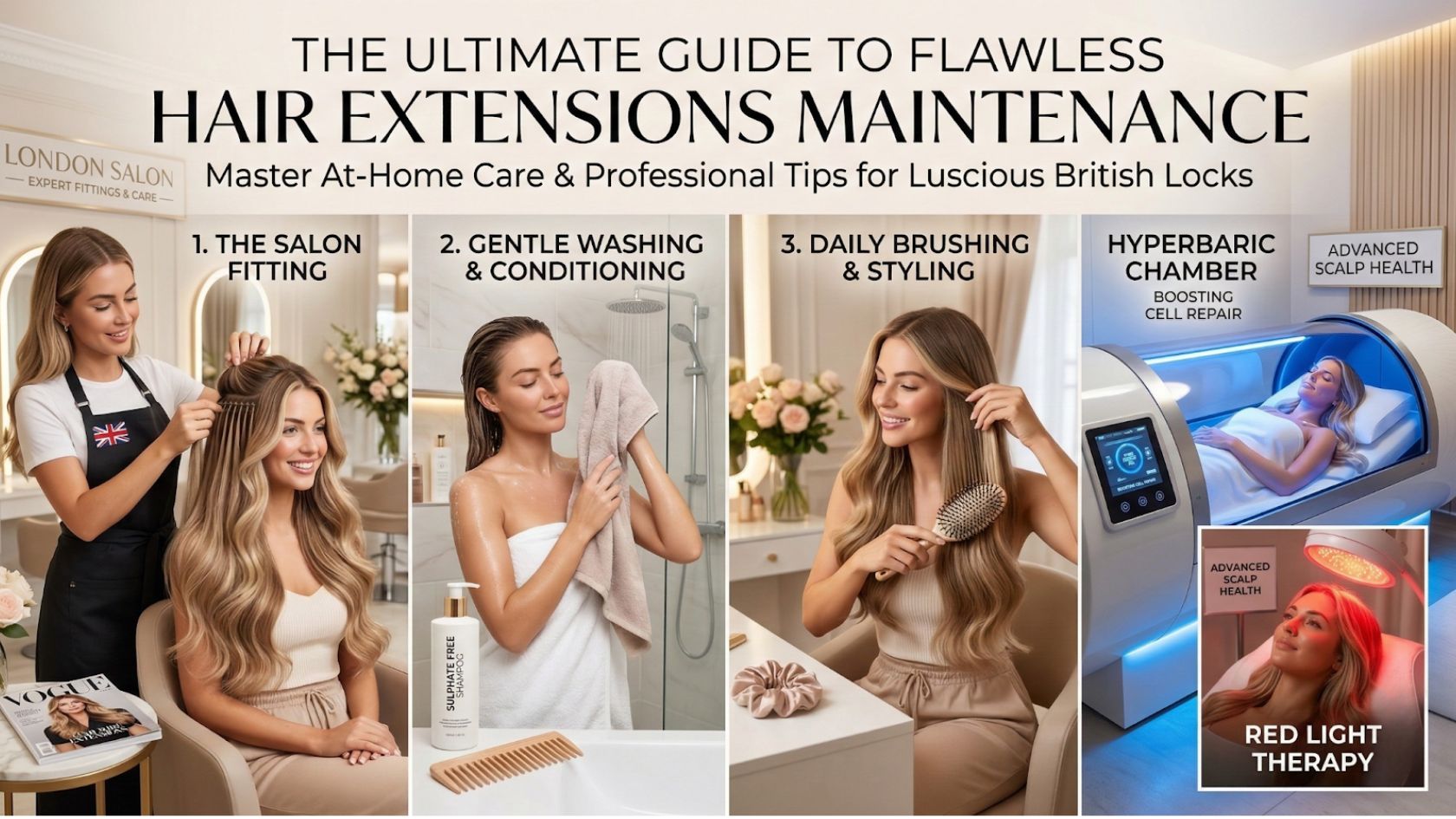
Welcome to your ultimate resource for keeping those gorgeous new locks looking absolutely brilliant. If you have recently invested in a beautiful new look at your favourite Hair Extension Salon, you already know that the journey does not end when you walk out the door. Taking care of added lengths requires a dedicated routine and a fair bit of patience. Interestingly, modern wellness trends are starting to overlap with beauty routines in rather fascinating ways. Some forward-thinking clinics are even exploring how treatments like relaxing in a hyperbaric chamber or using red light therapy might improve scalp health and promote natural hair growth beneath your artificial pieces. However, before we get into advanced wellness routines, we really need to master the daily habits that keep your new lengths looking incredibly seamless and natural. Proper hair extension maintenance is the absolute secret to protecting your financial investment and ensuring you have brilliant hair days every single day of the week.
Understanding Your New Locks
When you first get your new lengths fitted, the feeling is genuinely unmatched. You walk out into the street feeling like a celebrity with thick and bouncy hair that moves beautifully in the wind. The initial excitement is wonderful, but the reality of looking after this new hair sets in the very next morning when you wake up and realise you need a solid Hair Extension Maintenance plan. Many people mistakenly believe that added hair requires the exact same routine as their natural hair. This misconception is the primary reason why so many people experience premature tangling, dryness and shedding. Your natural hair receives a constant supply of sebum from your scalp. This natural oil travels down the hair shaft to keep your strands moisturised and protected from the elements. Artificial pieces do not have a direct connection to your scalp, meaning they rely entirely on you for moisture, hydration and protection. Understanding this fundamental difference is the absolute cornerstone of effective hair extension maintenance.
The Golden Rules of Washing
Let us dive deeply into the washing process, a critical aspect of Hair Extension Maintenance, because this is where many people make their first crucial mistakes. Washing your enhanced hair is a completely different experience from washing a normal head of hair. Before you even think about stepping into the shower, you must thoroughly brush your hair to remove any existing tangles. If you wet hair that is already tangled, the water will cause the knots to swell and tighten, creating a nightmare situation that could damage your bonds or tapes. Once you are in the shower, you should always stand upright. Flipping your head upside down over the bath might seem convenient, but it places a massive amount of stress on the attachment points at your roots and encourages severe matting. You want the water to flow in the natural direction of the hair cuticles, from the roots straight down to the tips. Speaking of water, the temperature plays a vital role in your routine. Hot water strips away moisture and can weaken the adhesive or keratin bonds holding your pieces in place. Always opt for lukewarm water to gently cleanse without causing any unnecessary damage or dehydration.
Selecting the Perfect Shampoo
Choosing the right shampoo is equally important for your Hair Extension Maintenance routine. You absolutely must use products that are sulphate-free. Sulphates are harsh cleansing agents that create a lovely lather but strip the hair of all its essential moisture. Because your added hair cannot replenish its own moisture, using a sulphate shampoo will leave it feeling like dry straw within a matter of weeks. When applying your chosen gentle shampoo, focus exclusively on the roots and the scalp. Gently massage the product using the pads of your fingers, being incredibly careful not to scrub aggressively or use circular motions that could cause the hair to mat together. The suds will naturally travel down the lengths of your hair as you rinse, providing more than enough cleansing power for the mid-lengths and ends. You should never bunch your hair up on top of your head to scrub it. Treat the lengths like delicate silk, gently stroking the shampoo downwards if you feel they need extra cleansing after a particularly sweaty workout or a dusty day out in London.
Mastering the Art of Conditioning
Conditioning is the next critical phase of Hair Extension Maintenance, and it requires a completely different approach compared to shampooing. While shampoo belongs at the roots, conditioner should stay far away from your scalp. Applying slippery conditioners or heavy hair masks near the attachment points is a guaranteed way to cause slippage. Whether you have tapes, micro rings or keratin bonds, the lubricating ingredients in conditioners will break down the structural integrity of the attachments. Instead, gather your hair into a loose ponytail shape with your hands and apply a generous amount of a high-quality hydrating conditioner from the mid lengths down to the very tips. Leave the product to work its magic for at least five to ten minutes. This gives the artificial strands ample time to absorb the synthetic moisture they so desperately need. For an extra boost of hydration, you can comb the conditioner through with a wide-tooth comb while you are still in the shower, but you must do this extremely gently to avoid pulling at the roots. Rinse the conditioner out with cool water to seal the hair cuticles, which locks in the moisture and adds a brilliant, glossy shine to your finished look.
Towel Drying Without the Damage
Drying your hair correctly is a monumental part of successful Hair Extension Maintenance. When you step out of the shower, your hair will feel significantly heavier than usual because the extra hair holds a tremendous amount of water. You must resist the urge to vigorously rub your head with a standard cotton towel. This rough friction roughens up the hair cuticles and leads to severe frizz and breakage. Instead, you should invest in a good quality microfibre towel. Gently squeeze the excess water out of your hair, starting at the roots and working your way down to the ends. Once you have removed the dripping water, you can wrap your hair in the microfibre towel for about ten minutes to absorb the rest. However, you must never leave your hair wrapped up in a towel for hours. The damp environment at the roots can weaken your bonds and even lead to fungal issues on your scalp if left wet consistently.
Blow Drying and Heat Protection
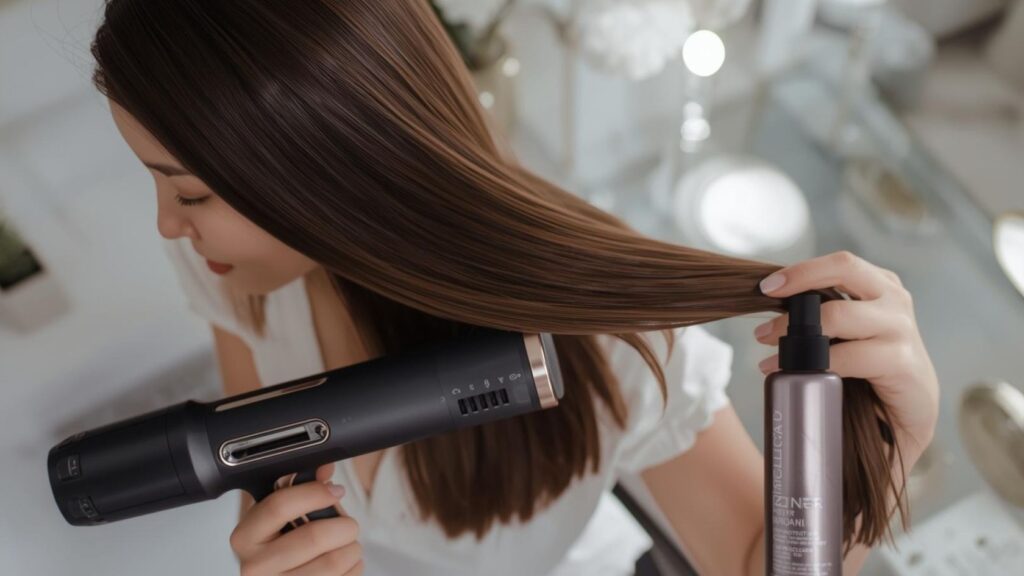
Air drying might sound like a healthy option, but it is actually highly discouraged when you wear hair extensions. The attachment points need to be dried as quickly as possible to maintain their strength. For optimal Hair Extension Maintenance, you should use a hair dryer on a medium or low heat setting, pointing the nozzle downwards to smooth the cuticles. Focus your attention entirely on the roots first. Ensure that the tapes, bonds or wefts are one hundred per cent dry before you even think about moving on to the mid lengths and ends. If the roots are left damp, the extensions can become incredibly heavy, leading to uncomfortable pulling on your natural hair follicles. Once the roots are dry, you can proceed to rough-dry the rest of the hair. Always apply a premium heat protectant spray before using any heated styling tools. Heat damage is permanent, and because artificial hair cannot repair itself, split ends and crispy textures will remain until you literally trim them away. Treat your heat protectant spray as an absolute non-negotiable step in your styling routine.
Brushing Techniques for Tangle-Free Hair
Brushing is an activity you will become very familiar with during your Hair Extension Maintenance journey. You cannot simply drag a cheap plastic comb through your hair and hope for the best. You need a specialised extension brush with soft bristles that are designed to glide over the attachment points without snagging or pulling them out. You should aim to brush your hair at least two or three times a day to prevent any tiny tangles from developing into massive dreadlocks. The technique is just as important as the tool. Always start brushing from the very bottom of your hair, working in small sections. Hold the hair firmly near the roots with your free hand to absorb any tension. Once the ends are completely smooth, slowly work your way up the hair shaft until you can comfortably brush from the roots to the ends. If you encounter a stubborn knot, do not yank it. Put down the brush, use your fingers to gently tease the tangle apart, and then resume brushing. Patience is a virtue when dealing with enhanced hair.
Protecting Your Hair Whilst You Sleep
Sleeping requires a specific routine to ensure you do not wake up looking like you have been dragged through a hedge backwards. You must absolutely never go to sleep with wet or even slightly damp hair. The friction between wet hair and your pillowcase will create catastrophic matting overnight. Always ensure your hair is bone dry before getting into bed. To protect your hair while you sleep, it is highly recommended to secure your hair in a loose plait or a low ponytail using a soft silk scrunchie. This keeps the hair grouped together and prevents it from rubbing erratically against your bedding. Furthermore, upgrading your bedding is a brilliant idea. Swapping your standard cotton pillowcase for a pure silk or high-quality satin pillowcase will work wonders for your Hair Extension Maintenance. Silk creates far less friction than cotton, meaning your hair will glide smoothly over the surface as you toss and turn. This simple change reduces morning frizz, prevents split ends, and helps your artificial pieces maintain their silky texture for much longer.
Hair Extension Maintenance on holiday presents a whole new set of challenges. Sun, sea, and swimming pools are the ultimate enemies of beautifully maintained hair. Chlorine and salt water are incredibly drying and can strip the colour straight out of your extensions, sometimes even turning blonde pieces an unsightly shade of brassy orange or green. If you plan on taking a dip on holiday, your best defence is to wet your hair thoroughly with clean, fresh water before entering the pool or the sea. Hair is like a sponge; if it is already saturated with fresh water, it will absorb significantly less of the damaging chlorinated or salty water. You should also coat your lengths in a generous layer of leave-in conditioner to create a protective barrier. Always tie your hair up in a secure bun on top of your head to minimise contact with the water. As soon as you finish swimming, you must wash your hair immediately with fresh water and a clarifying shampoo to remove any chemical residue, followed by an intensive hydrating mask to restore the lost moisture.
Battling the British Weather and Hard Water
The weather in the United Kingdom also poses its own unique set of problems for hair care. During the bitterly cold winter months, the icy wind and central heating completely zap the moisture from the air, leaving your hair feeling dry and static. You will need to switch to heavier, oil-based serums during this time to lock in moisture and protect the mid-lengths and ends from the harsh environment. Conversely, during the humid summer months, you might find that your scalp produces more sweat and natural oils, requiring slightly more frequent washing. Hard water is another silent killer of beautiful hair. Depending on where you live in the country, the water coming out of your shower might be full of heavy minerals like calcium and magnesium. These minerals build up on the hair shaft over time, causing the extensions to feel brittle and look incredibly dull. Installing a shower filter is a fantastic investment that will drastically improve the texture of both your natural hair and your extensions, making your Hair Extension Maintenance routine significantly easier and more effective.
Sticking to Your Salon Schedule
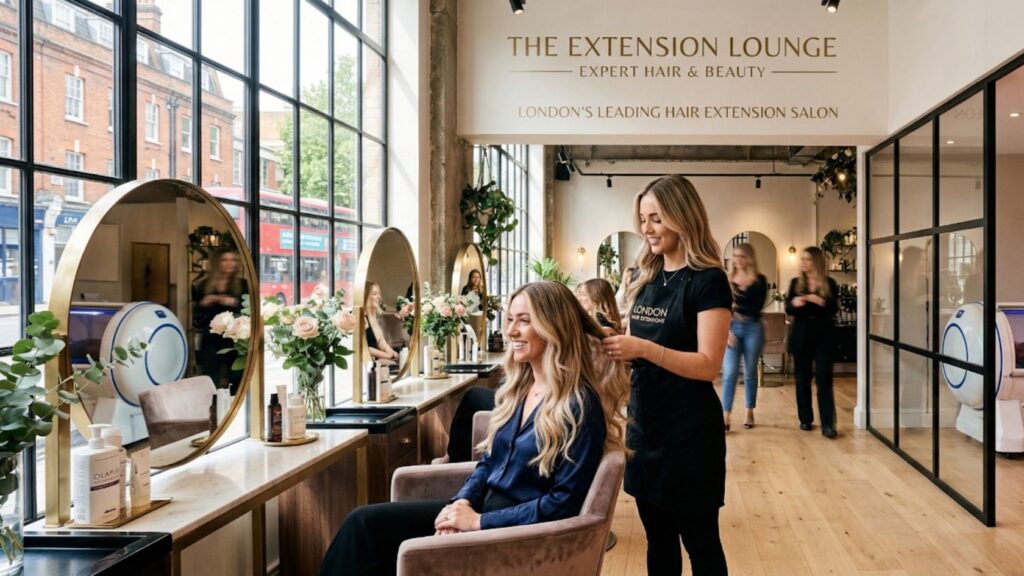
Understanding the lifespan of your chosen method is also crucial for setting realistic expectations. Tape-ins, micro rings, and keratin bonds all have different Hair Extension Maintenance schedules and lifespans. Tapes generally need to be pushed up every six to eight weeks because they grow out with your natural hair. If you leave them in for too long, they can twist and put immense strain on your natural hair, leading to breakage. Micro rings also require regular tightening appointments for the exact same reason. Keratin bonds can sometimes last up to three or four months, but this depends entirely on how quickly your natural hair grows and how meticulously you look after them at home. Trying to stretch the time between your professional maintenance appointments is a false economy. You might save a few pounds in the short term, but you risk causing severe damage to your natural hair that could take years to rectify. Always listen to the advice of your professional technician and pre-book your maintenance appointments in advance to stay on track.
How Diet and Lifestyle Affect Your Hair
Your lifestyle and diet also play a surprisingly significant role in the overall success of your hair journey. While the artificial pieces themselves are dead and cannot benefit from your diet, the health of your natural hair underneath is absolutely paramount. Your natural hair serves as the foundation and anchor for the extensions. If your natural hair becomes weak, brittle or starts to thin due to a poor diet or extreme stress, it will no longer be able to safely support the extra weight. Eating a balanced diet rich in protein, iron, and essential vitamins is critical for maintaining strong hair follicles. Regular exercise increases blood circulation to the scalp, delivering vital nutrients to your hair roots. Managing your stress levels is also highly important, as chronic stress can trigger a condition called telogen effluvium, which causes excessive hair shedding. If you experience significant shedding, your extensions will lose their anchor points and begin to slip or fall out entirely. Therefore, taking care of your physical and mental health is an indirect but essential component of your Hair Extension Maintenance routine.
Navigating Styling Products and Ingredients
Choosing the right styling products is an absolute minefield, but it is a vital part of Hair Extension Maintenance and protecting your lovely new locks. You must become an expert at reading ingredient labels. Avoid anything that contains drying alcohols, such as ethanol, propanol or isopropyl alcohol. These ingredients evaporate quickly and take the hair’s natural moisture with them. Instead, look for fatty alcohols like cetyl or stearyl alcohol, which actually help to condition and soften the hair. Silicones are another controversial topic. While water-soluble silicones can provide a beautiful temporary shine, heavy, non-water-soluble silicones will build up on the hair over time, creating a stubborn coating that blocks moisture from penetrating the hair shaft. This leads to dryness and a very dull appearance. Stick to lightweight, professional-grade products that are specifically formulated for extension wearers. These products might be slightly more expensive than high street brands, but they are specifically designed to preserve the integrity of the bonds and the quality of the hair, ultimately saving you money in the long run by extending the lifespan of your piece
The Risks of Colouring Your Extension
Colouring your enhanced hair is a topic of Hair Extension Maintenance that comes with strict warnings. Generally speaking, it is highly advised against attempting to dye your extensions at home. The hair used for these pieces has already undergone a rigorous chemical process to sanitise, lift and deposit the current colour. Adding more box dye on top of this processed hair is incredibly unpredictable and often results in patchy, dry or severely damaged hair. If you desperately feel the need to change your colour, you must return to a professional. Even then, professionals will usually only agree to darken the extensions or tone them. Attempting to bleach or lighten extensions is a recipe for absolute disaster and will likely destroy the hair completely. Purple shampoos used by blondes to banish brassiness must also be used with extreme caution. These shampoos are highly pigmented and very drying. If left on the porous artificial hair for too long, they can grab onto the strands and turn your beautiful blonde a vibrant shade of lilac. Always dilute your purple shampoo with a regular sulphate-free shampoo and never leave it on for more than a minute or two.
Professional Removal and End of Wear Cycle
As you reach the end of your wear cycle, you will start to notice some subtle changes in how your hair behaves. The hair might not feel quite as silky as it did on day one, and you might notice a few more stray hairs in your brush. This is completely normal wear and tear. No matter how perfect your Hair Extension Maintenance routine is, the hair has a finite lifespan. You must resist the urge to pull or pick at any loose bonds or tapes as they grow out. Doing so can rip your natural hair straight from the follicle, causing permanent bald patches. When the time comes to say goodbye to your current set, the removal process must be handled by a qualified professional. They possess the correct chemical solvents and specialised tools needed to gently break down the adhesive or keratin without causing any trauma to your natural hair. Attempting to remove them yourself using household oils or pliers is incredibly dangerous and highly discouraged.
Setting Realistic Hair Goals
Maintaining realistic expectations is the final piece of the puzzle. Artificial hair requires a commitment of time, effort and money. There will be days when styling it feels like a massive chore, and there will be moments when you miss the simplicity of simply washing your hair and rushing out the door. However, the immense confidence boost and the sheer joy of having the thick, voluminous hair of your dreams usually outweigh the extra effort. By treating your new hair with the utmost respect, using the correct products, avoiding damaging habits and attending your regular salon check-ups, you can enjoy beautiful, flawless hair for many months. The routine of Hair Extension Maintenance quickly becomes second nature, and the results are undeniably worth the dedication.
Long Term Wellness and Brilliant Results
When it is finally time for a professional touch-up, a thorough clean, or a complete repositioning, you should always return to a trusted Hair Extension Salon for your regular appointments or removals. Looking after your overall physical well-being also plays a massive part in your long-term aesthetic results. You may consider boosting your cellular repair and recovery with a relaxing session in a hyperbaric chamber, or maybe you will soothe your scalp and encourage robust natural growth using red light therapy to keep your natural hair thriving underneath the attachments. Whatever wellness path you choose to take, sticking to a strict and dedicated Hair Extension Maintenance routine at home will absolutely guarantee that your beautiful locks stay incredibly soft, vibrant, shiny and completely stunning for many months to come.
FAQ
How often should I wash my hair now that I have extra-long fitted?
You should aim to wash your hair no more than two or three times a week. Washing too frequently will strip the artificial hair of its applied moisture and can cause the bonds or tapes to break down prematurely. If your natural roots get greasy between wash days, a high-quality dry shampoo is your best friend.
Can I still use my normal styling tools like straighteners and curling wands?
You absolutely can use heated styling tools, but you must be much more careful than before. Always use a generous amount of heat protectant spray on every single section of hair. Keep the temperature of your tools below one hundred and eighty degrees Celsius, and never apply heat directly to the attachment points at your roots.
Why does my hair feel so itchy during the first few days after fitting?
A mild itching sensation is incredibly common during the first week. Your scalp is adjusting to the extra weight and the physical presence of the attachments. Ensure you are rinsing your shampoo out completely, as leftover residue can cause itching. If the itchiness persists or becomes painful, contact your technician immediately for advice.
Is it safe to tie my hair up in a high ponytail or a messy bun?
You can tie your hair up, but you need to wait at least a week or two after fitting to allow the roots to settle. When you tie it up, make sure it is a loose style. Pulling the hair tightly into a high ponytail places massive tension on the natural hair follicles and can cause the attachments to lift or snap your natural hair.
What should I do if I find a tangle that I simply cannot brush out?
Do not panic and do not force the brush through the knot. Stop what you are doing, isolate the tangled section, and apply a small amount of detangling spray or a tiny drop of hair oil directly to the knot. Use your fingers to gently massage the slip product into the tangle and slowly pull the knot apart from the bottom upwards before attempting to use a brush again.
Can I speed up the drying process by leaving my hair wrapped in a towel for an hour?
No, you must never leave your hair wrapped in a damp towel for an extended period. The moisture trapped against your scalp will soften the adhesive bonds or tapes, causing them to slip or degrade rapidly. Furthermore, a consistently damp scalp provides the perfect breeding ground for fungal infections. Always rough-dry your roots with a hair dryer immediately after towel drying.