Balayage vs Highlights: Which Is Better for You?
Balayage or highlights — it’s the question our Finchley colourists hear every single day. Both techniques add lightness and beautiful dimension to your hair, but they work very differently and suit different lifestyles. One gives you a soft, sun-kissed grow-out you barely need to think about. The other delivers a crisp, polished brightness from root to tip. Here’s the honest, no-jargon breakdown so you can walk into your consultation with confidence.
What Is Balayage?
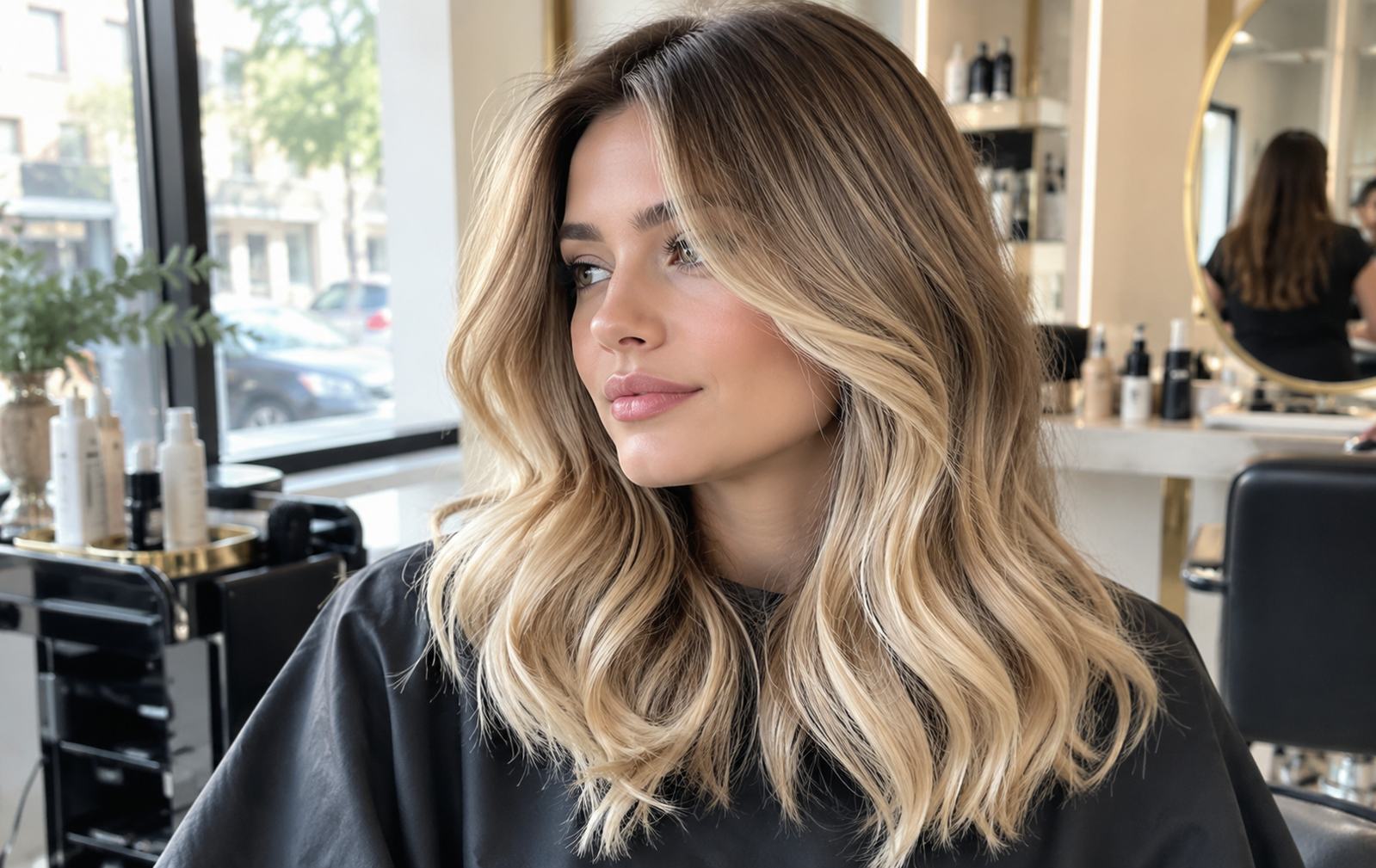
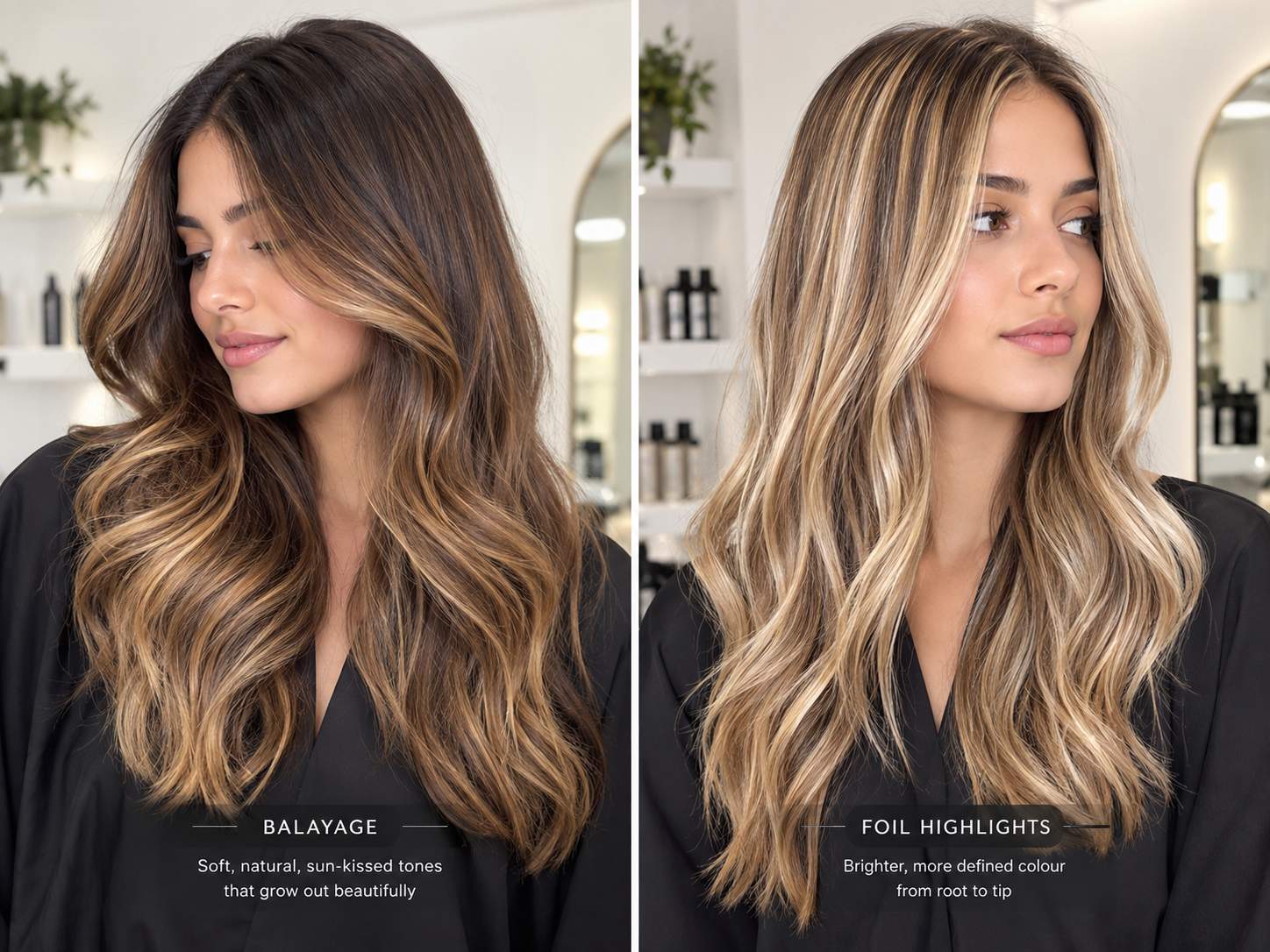
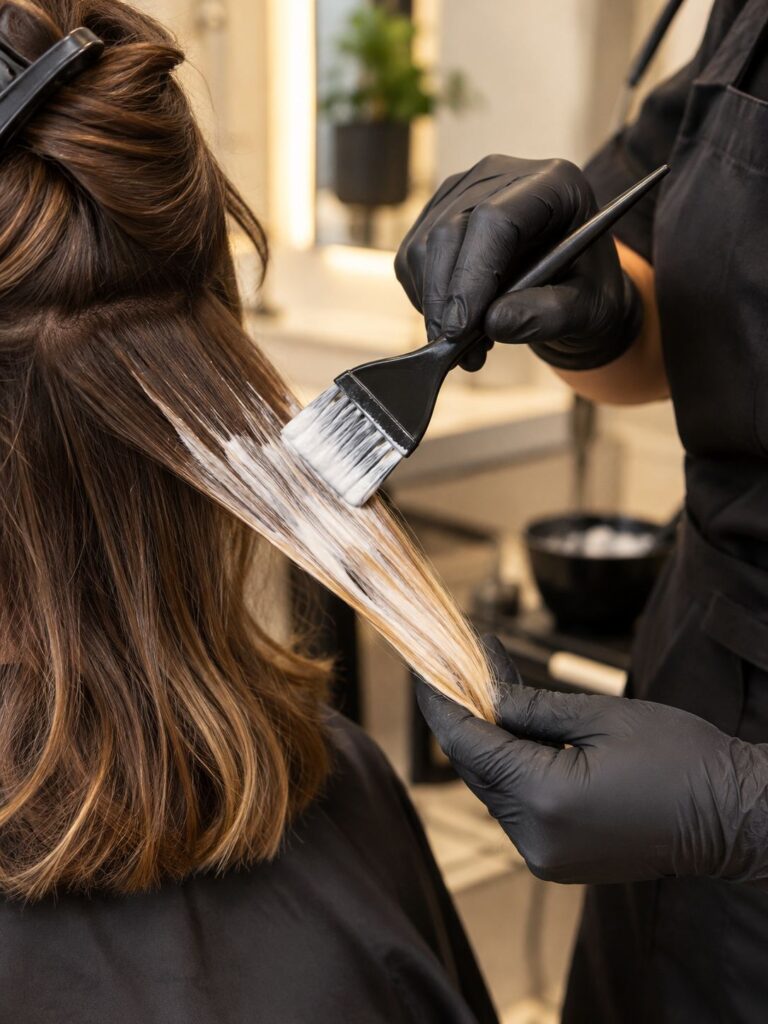
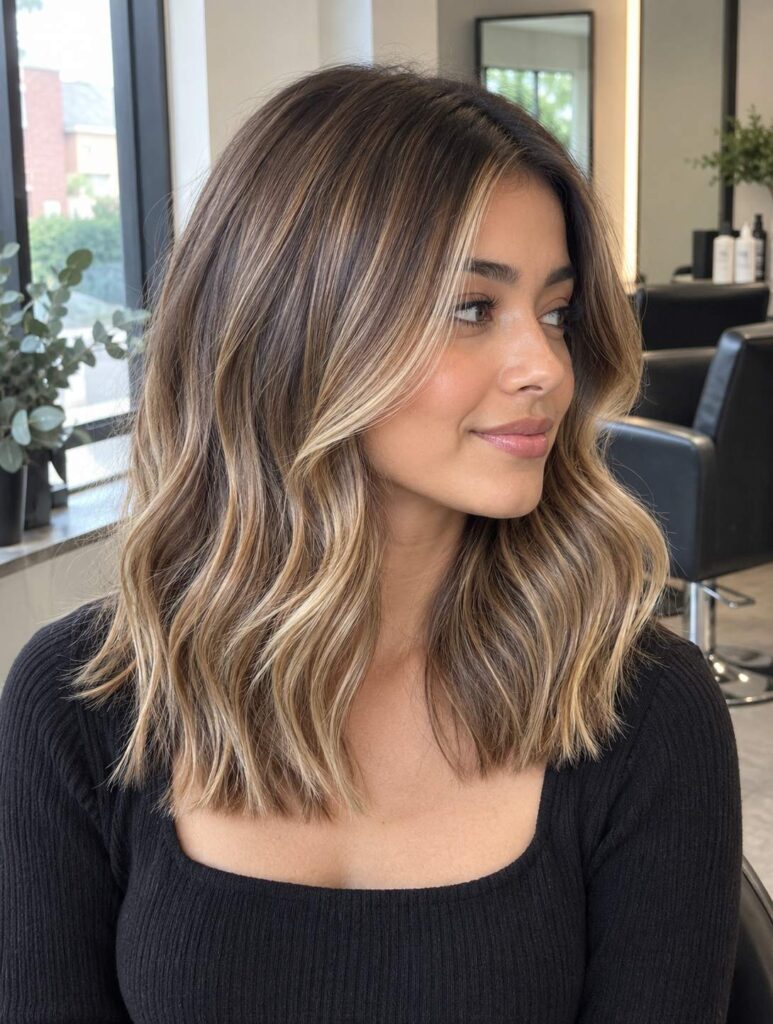
Balayage comes from the French word meaning ‘to sweep.’ Your colourist paints lightener freehand directly onto sections of your hair, concentrating colour at the mid-lengths and ends with the heaviest saturation at the tips. The result is soft, multi-dimensional colour that mimics the way sunlight naturally lightens hair — no harsh root line, no stark contrast.
Because the technique doesn’t cover the root, most balayage clients can go 12 to 16 weeks between appointments — making it one of the more low-maintenance colour services available. Every application is completely bespoke: your colourist places pieces based on your hair’s natural movement, your face shape, and the finish you’re after.
If you’re thinking about colour for the first time or looking to switch up your technique, our hair colouring page covers everything you need to know about booking your first colour appointment at HairNova Finchley.
What Are Traditional Highlights?
Traditional highlights use foils to isolate sections of hair, lifting colour from root to tip. The foil traps heat, speeds up the lightening process, and gives your colourist precise control over exactly which sections are lifted and how bright they go.
The result is a more uniform, high-contrast look — brighter, bolder, and more structured than balayage. Because the colour reaches the root, regrowth typically becomes visible after 6 to 8 weeks. This means more frequent salon visits, but for clients who love that crisp, defined look, it’s absolutely worth it.
Highlights also work especially well on shorter hair, where balayage’s mid-length-to-tip gradient has less space to develop naturally.
Balayage vs Highlights: The Key Differences
Still undecided? Here’s the clearest way to compare them:
- Technique: Balayage is painted freehand onto the surface of sections. Highlights are wrapped in foil from root to tip.
- Finish: Balayage creates a soft, blended, sun-kissed result. Highlights create stronger contrast and consistent brightness throughout.
- Regrowth: Balayage grows out naturally with no obvious root line — most clients return every 12 to 16 weeks. Highlights show root regrowth at 6 to 8 weeks.
- Upkeep: Balayage benefits from a toner refresh every 8 to 10 weeks to keep the tone cool and vibrant. Highlights need more frequent root touch-ups.
- Cost per visit: Balayage is typically more labour-intensive and can cost more per appointment — but because you visit less often, the annual cost often works out similarly to highlights.
Neither technique is ‘better.’ The right choice depends entirely on the look you want and how often you want to be in the salon chair.
Which Technique Suits Your Hair Type and Lifestyle?
Balayage tends to work best on longer hair — collar-bone length or beyond — where the soft gradient has space to develop. It’s also ideal if your lifestyle is busy and you want a colour that can go weeks without looking grown-out.
Highlights suit any length and work particularly well on shorter styles where you want consistent dimension throughout. They’re also a strong choice if you have a specific event coming up and want a sharp, polished result by a certain date.
For fine hair, balayage is often gentler because fewer sections are lightened overall. For thick or coarse hair, highlights may deliver a more dramatic result because the foil allows for higher saturation in each section. If you’re unsure, bring reference photos to your consultation — that’s always the fastest way to get to the right answer.
Cost and Maintenance: What to Expect in Finchley
Balayage at HairNova Finchley typically takes between 90 minutes and three hours depending on hair length and the finish you’re after. Full highlights take a similar amount of time. All colour services include a full consultation, application, and a professional blow-dry.
For ongoing maintenance, balayage clients generally return every 12 to 16 weeks. We recommend a toner refresh at around the 8 to 10 week mark to keep the tone cool and vibrant between full appointments — this is a shorter visit and a fraction of the cost of a full colour session. Highlight clients typically return every 6 to 8 weeks for root touch-ups.
For full pricing and service details, visit our hair colouring page or give us a call to discuss what you have in mind before you book.
How to Choose the Right Colourist for Balayage or Highlights
Not all colour work is equal. Balayage in particular requires a high level of skill — the freehand placement is what creates the natural finish, and it takes experience to place pieces in a way that frames the face correctly and suits your hair’s natural movement.
When choosing a colourist, look for a portfolio of results on similar hair types to yours. Ask about the products used — professional-grade lightener and toner make a significant difference to both the result and your hair’s long-term health. Ask whether a patch test is required before your appointment (it always should be if you’re a new client or haven’t had colour in a while).
At HairNova Finchley, every colour appointment starts with a full consultation where we assess your natural base, current condition, and the result you’re aiming for. We’ll tell you honestly what’s achievable in one session and what may take more — because setting realistic expectations is as important as the colour itself.
The National Hair & Beauty Federation sets the professional standards all qualified UK colourists work to — a useful reference if you’re ever unsure what questions to ask before booking.
Aftercare for Balayage and Highlights
Getting the colour right is only half the job. Keeping it looking great between appointments is the other half. For both balayage and highlights, the core aftercare principles are the same:
- Use a sulphate-free shampoo designed for colour-treated hair.
- Wash in cool or lukewarm water — hot water strips colour faster than anything else.
- Apply a weekly deep conditioning mask to maintain moisture and elasticity.
- Use a heat protectant spray before any heat styling.
- If your balayage starts to look brassy, a purple or blue toning shampoo used once a week will keep the tone cool between visits.
For a full guide to keeping your colour vibrant, read our dedicated post on balayage aftercare.
Thinking About Going Blonde? Read This First
If you’re considering a lighter result with a more intentional root — something between natural and dramatically blonde — a rooted blonde technique might be exactly what you’re looking for. It creates a deliberately blended, grown-out root that looks intentional rather than overdue, and works beautifully on darker bases.
Read our guide on rooted blonde to understand how the technique works, how it compares to balayage and highlights, and whether it suits your natural starting colour.
Book Your Appointment at HairNova Finchley
Ready to book? Our team at HairNova Finchley is available Tuesday to Saturday, 9:30am to 7pm.
Address: 375 Regents Park Road, Finchley, London N3 1DE
Phone: 020 8129 4894
Email: [email protected]
Frequently Asked Questions
Is balayage better than highlights for fine hair?
Balayage is often the better choice for fine hair because fewer sections are lightened overall, reducing the level of processing. The freehand technique also tends to be gentler on the hair structure. Both techniques can be adapted for fine hair — your colourist will advise on the best approach for your specific texture during your consultation.
How often do you need to touch up balayage?
Most balayage clients return every 12 to 16 weeks for a full appointment. In between, a toner refresh at 8 to 10 weeks helps keep the colour cool and bright without a full lightening service. The exact frequency depends on how quickly your hair grows and how much contrast you want at the root.
Can you get balayage on dark hair without bleach?
Very dark or heavily pigmented hair almost always needs a pre-lightening step before balayage colour is applied. Skipping this on dark hair can lead to an uneven or orange result. Your colourist will assess your natural base during the consultation and tell you exactly what the process involves and how many sessions may be needed.
Is balayage more expensive than highlights?
Balayage appointments typically cost more per visit because the technique is more labour-intensive. However, because balayage clients visit the salon less frequently — roughly every 12 to 16 weeks versus 6 to 8 weeks for highlights — the annual cost often works out similarly. Your colourist can give you a clear breakdown during your consultation.
Does balayage damage your hair?
Any lightening service places some degree of stress on the hair. However, balayage is generally considered gentler than full highlights because only selected sections are lightened. Most colour services at HairNova Finchley are combined with a bonding treatment to protect the hair’s internal structure. With the right aftercare, the vast majority of clients experience no significant damage.