When it comes to transforming your look, few things make as much impact as choosing the right hair extension colours. Length and volume certainly matter, but colour is what truly determines whether your extensions look beautifully blended or obviously attached. Get the shade right, and everything feels effortless. Get it wrong, and even the most expertly fitted extensions can look out of place.
At our Hair Extension Salon Finchley, we often meet clients who assume that picking a shade is as simple as matching the ends of their hair. In reality, selecting hair extension colours is a more nuanced process. It involves undertones, lighting, depth, dimension and even your skin tone. Whether you are purchasing from a trusted hair extensions supplier or investing in the best hair extensions for a special occasion, understanding colour theory will help you achieve a flawless result.
In this comprehensive guide, we will explore everything you need to know about hair extension colour, from undertones and blending techniques to seasonal trends and maintenance. By the end, you will feel confident in choosing shades that enhance your natural beauty rather than compete with it.
Understanding the Science Behind Hair Extension Colours
Before diving into shade charts and swatches, it helps to understand how colour works in hair. Natural hair rarely consists of a single flat tone. Even the darkest brunette contains subtle warmth or coolness. Lighter shades may have honey, ash or golden notes woven throughout.
Hair extension colours are designed to replicate this complexity. High-quality extensions are often multi-tonal rather than block coloured. This allows them to blend more naturally into real hair. When selecting extensions, look for shades that contain variation rather than a uniform pigment.
Undertone is particularly important. Warm undertones include gold, copper and red. Cool undertones lean towards ash, beige and platinum. Neutral undertones sit somewhere in between. Identifying your own undertone makes choosing extension colours significantly easier.
A simple way to assess undertone is to look at your hair in natural daylight. Artificial lighting can distort colour perception. If your hair reflects golden or reddish hues in sunlight, it is likely warm. If it appears silvery or muted, it is likely cool.
Matching Hair Extension Colours to Your Natural Hair
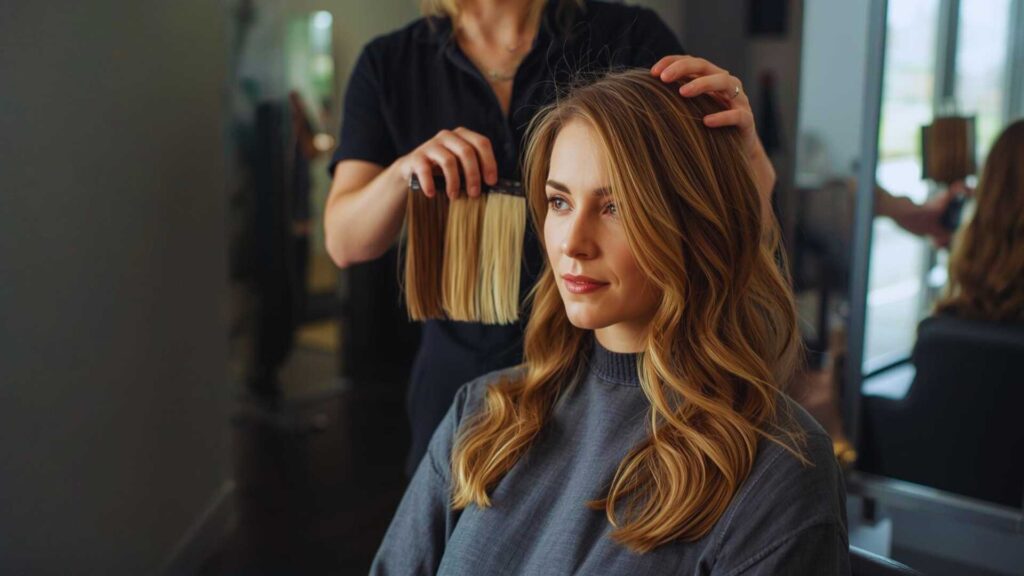
One of the most common mistakes is attempting to match extensions to the roots rather than the mid-lengths and ends. Extensions are designed to blend through the body of the hair, not the scalp area. Therefore, always match the lower sections where the extensions will sit.
If your hair features highlights or balayage, do not panic. In these cases, you should match the dominant tone through the mid-lengths. The natural variation in highlighted hair often makes blending easier rather than harder.
When in doubt, it is usually safer to choose hair extension colours slightly lighter rather than darker. Lighter shades can be toned or low-lighted by a professional, while darker extensions are more difficult to lighten without compromising quality.
Professional colour matching services, such as those offered at Hair Extension Salon, take multiple factors into account. Lighting conditions, previous colouring history and even texture can influence how a shade appears once fitted.
Blonde Hair Extension Colours and Their Variations
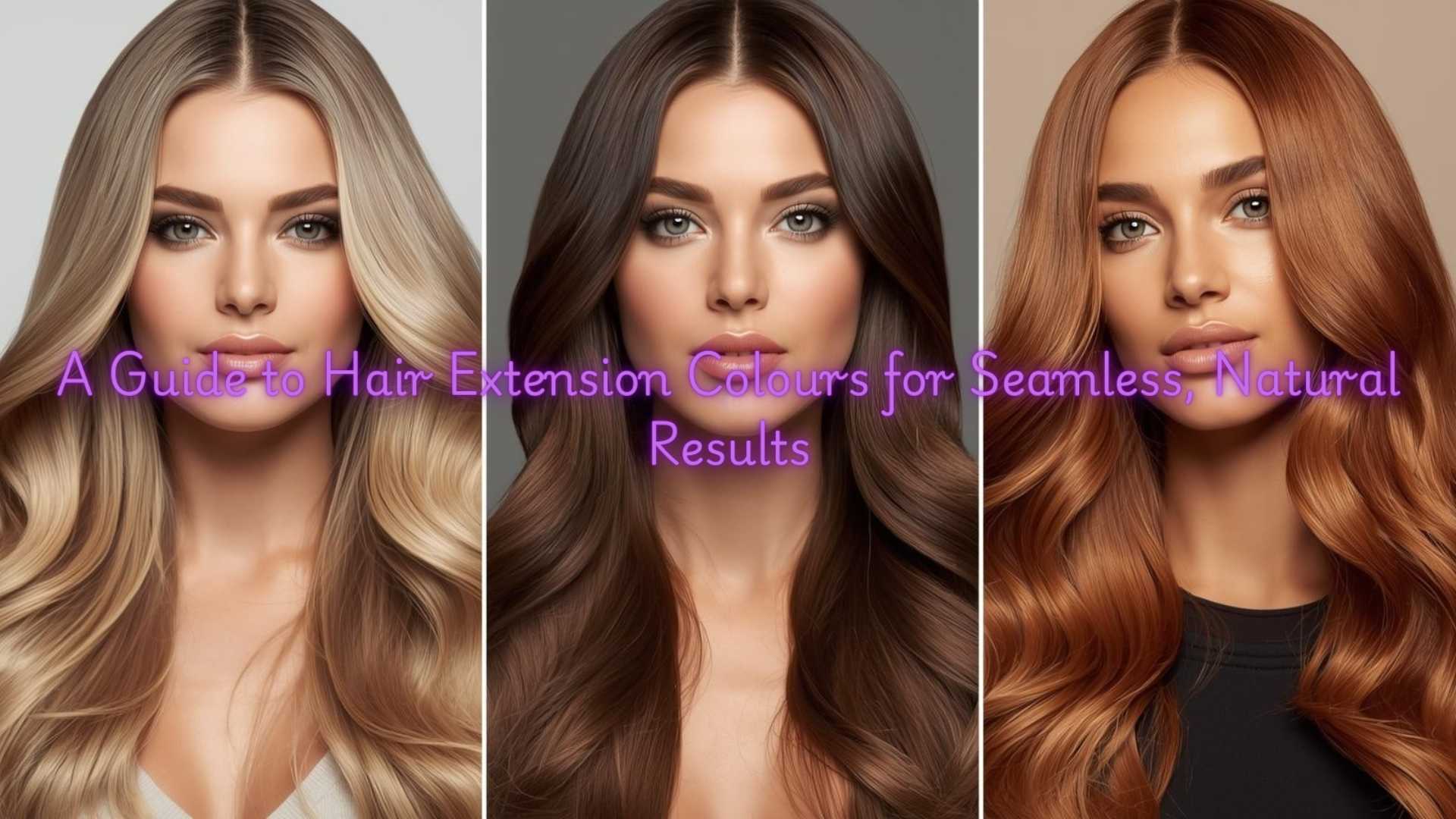
Blonde is one of the most diverse categories within hair extension colours. From icy platinum to warm honey, the spectrum is vast, much like how a modern mangalsutra blends traditional elegance with contemporary style.
Platinum blonde is bold and cool toned, often chosen by those who favour a striking, high fashion finish. Ash blonde offers a softer cool alternative, helping to neutralise warmth and brassiness. Honey blonde provides warmth and richness, making it ideal for golden complexions. Beige blonde strikes a balance, offering a neutral tone that suits a wide range of skin tones.
When selecting blonde hair extension colour, it is important to consider the maintenance requirements. Cooler shades often require purple toning products to maintain brightness. Warmer shades may fade more naturally, but can shift over time if exposed to excessive heat styling.
Brunette Hair Extension Colours for Depth and Dimension
Brunette shades are far from basic. Within brown hair extension colours, there are chocolate tones, chestnut hues and cool mocha variations.
Chocolate brown offers richness with subtle warmth. Chestnut introduces hints of red that catch the light beautifully. Mocha leans cooler and more muted, perfect for those who prefer understated elegance.
Brunette extensions often blend exceptionally well due to their depth. However, ensuring the undertone aligns with your natural hair remains crucial. A warm chestnut extension will stand out against a cool espresso base.
Red and Copper Hair Extension Colours
Red shades are among the most vibrant and expressive hair extension colours available.
Copper tones radiate warmth and brightness. Auburn provides a deeper red-brown blend. Ginger shades offer playful vibrancy, while deep red creates dramatic impact.
Red pigments tend to fade more quickly than other colours. Investing in high-quality extensions from a reputable extensions supplier ensures better colour retention and longevity.
Balayage and Ombre Hair Extension Colours
For those seeking dimension without full head colouring, balayage and ombre hair extension colours provide a stunning solution.
Balayage extensions mimic hand-painted highlights, creating soft transitions. Ombre styles feature more defined gradients from darker roots to lighter ends. Rooted extensions include a subtle shadow at the top, enhancing realism.
These styles are particularly effective for clients who want brightness without frequent salon visits.
Considering Skin Tone When Choosing Hair Extension Colours
While matching natural hair is essential, your skin tone also plays a significant role. Cool skin tones typically suit ash and neutral shades. Warm complexions often glow alongside golden and copper tones.
If you feel washed out after colouring your hair, the undertone may be clashing with your complexion. Selecting complementary hair extension colours can enhance brightness in the skin and create a harmonious overall look.
Seasonal Trends in Hair Extension Colours
Colour preferences shift with the seasons. During autumn and winter, richer shades such as chocolate, auburn and caramel often dominate. Spring and summer encourage lighter tones, honey blondes and sun-kissed balayage effects.
However, trends should never take precedence over personal suitability. The most flattering hair extension colours are those that enhance your features rather than simply follow fashion.
Maintenance and Longevity of Hair Extension Colours
Caring for your chosen shade is essential. Sulphate-free shampoos help preserve pigment. Minimising heat exposure reduces fading. Regular toning treatments can refresh blonde and highlighted extensions.
When purchasing the best hair extensions, enquire about colour fastness and recommended aftercare routines. Professional guidance ensures your investment maintains its vibrancy.
Professional Colour Matching at Hair Extension Salon
There is immense value in seeking professional advice. At Hair Extension Salon, colour matching is treated as a bespoke service. Multiple swatches are compared under natural light to identify the most seamless option.
A professional hair extensions supplier often provides detailed shade rings that display undertones clearly. This is far more accurate than relying on digital images, which can vary across screens.
Blending Techniques for Flawless Hair Extension Colours
Even perfectly matched shades benefit from thoughtful blending. Strategic placement, layering and cutting ensure that hair extension colours integrate naturally with your haircut.
Sometimes a light gloss or toner can harmonise natural hair with extensions. This subtle refinement can elevate the overall finish dramatically.
Thoughts on Choosing Hair Extension Colours
Selecting the right hair extension colours is both an art and a science. It requires awareness of undertones, skin tone compatibility, seasonal preferences and maintenance considerations. Rushing the decision often leads to disappointment, while careful selection results in seamless elegance.
If you are unsure where to begin, visiting Hair Extension Salon Finchley provides access to professional expertise and an extensive shade range. Partnering with a reputable extensions supplier ensures quality and colour accuracy. When you invest in the hair extensions and prioritise expert colour matching, you achieve a finish that looks entirely your own.
Ultimately, the perfect hair extension colour should enhance your confidence, complement your natural beauty and blend so flawlessly that no one can tell where your real hair ends and your extensions begin.
FAQ
How do I choose the right hair extension colours for my natural hair?
The best way to choose hair extension colours is to match them to the mid-lengths and ends of your hair rather than the roots. Natural hair often has variation, so selecting a multi-tonal shade that reflects your undertone will help create a seamless blend.
Can I dye hair extensions to match my hair colour?
Yes, many human hair extensions can be coloured, but it is always safer to darken them rather than lighten them. Lightning can damage the hair and affect its quality. It is usually best to choose a shade that already closely matches your natural colour.
What if my hair has highlights or balayage?
If your hair has highlights or balayage, choose hair extension colours that match the dominant tone through your mid-lengths. Multi-tonal or blended extensions often work best as they mimic the natural variation in highlighted hair.
Do hair extension colour fade over time?
Yes, like natural hair, extension colours can fade with washing, heat styling and sun exposure. Using sulphate-free shampoo, limiting heat and following proper aftercare will help maintain the colour for longer.
Should hair extension colours match my roots or ends?
They should match your ends, as this is where the extensions will sit and blend. Matching the roots can create a noticeable difference between your natural hair and the extensions.