Hair extensions are often seen as the ultimate shortcut to glamour. They give instant length, volume, and the freedom to experiment with styles that might otherwise take years to achieve. For many people, they are a confidence booster and a way to express individuality, especially when applied at a professional Hair Extension Salon in London. Yet, behind the glossy appeal lies a reality that is not always openly discussed. The issue of Hair Extension Damage is becoming more widely recognised, and it is something that anyone considering extensions should understand before taking the plunge.
Why Hair Extension Damage Happens
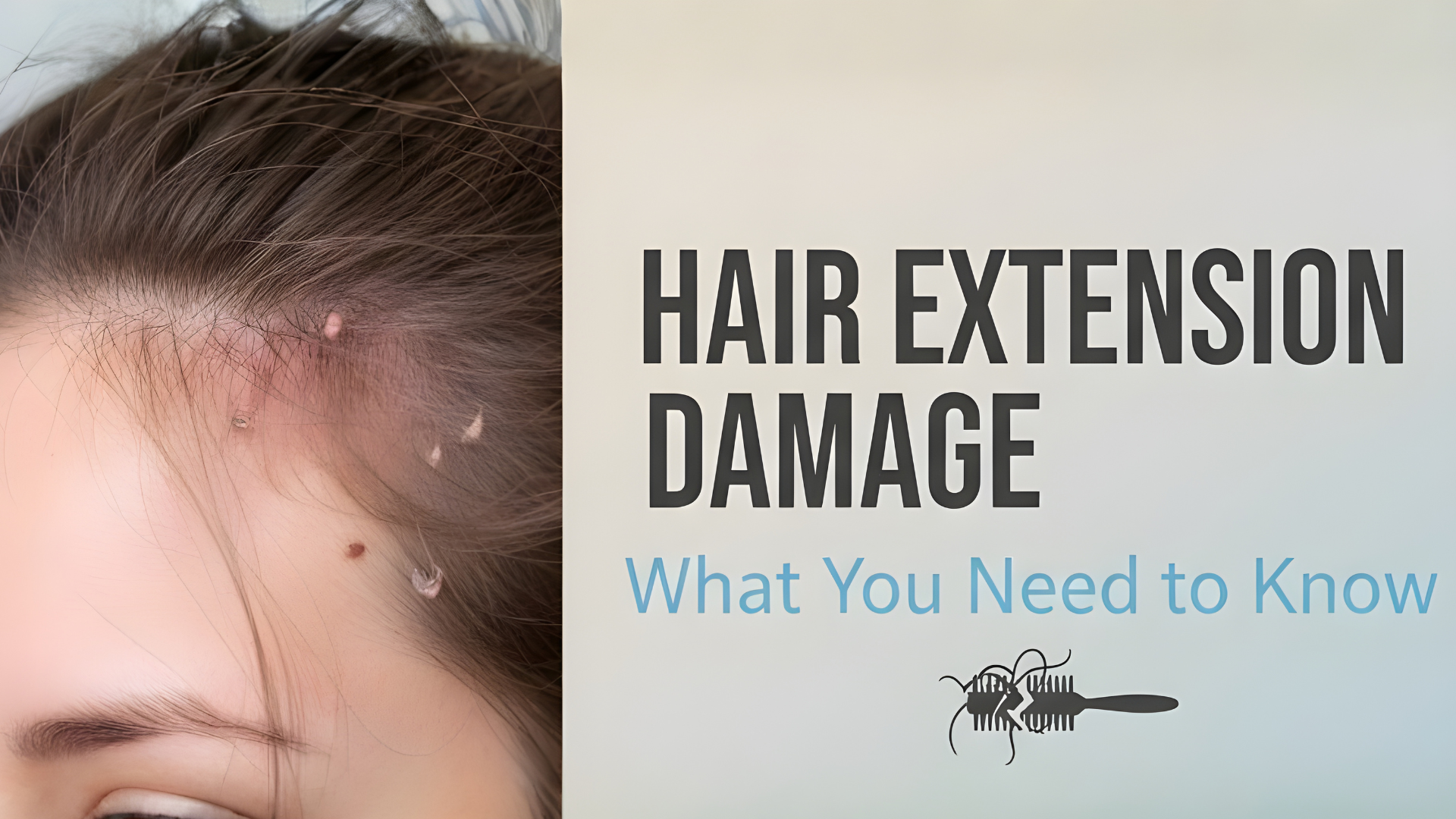
Extensions themselves are not harmful, but problems begin when natural hair takes on more strain than it can handle. One of the most common causes of hair extension damage comes from tension. When stylists fit tape ins, sew ins, or clip in hair extensions too tightly or clients wear them for extended periods, the roots experience constant pulling. This repeated stress can lead to traction alopecia, where the hairline slowly recedes or small bald patches develop. Because the condition progresses gradually, many people fail to notice the damage until thinning becomes clearly visible.
Weight also plays a significant role. Heavier extensions place extra pressure on the natural hair, and fine or fragile strands often struggle to carry the added load. Over time, this strain causes breakage, especially around the crown and sides of the head where hair is naturally more delicate.
Heat styling adds further stress to the hair. Straighteners, curling irons, and blow dryers strip moisture from the natural hair beneath the extensions. While the extensions may still appear smooth and glossy, the supporting hair can become dry and brittle. Chemical treatments such as colouring or perming increase this damage by weakening both the bonds and the natural strands.
Spotting the Early Signs of Hair Extension Damage
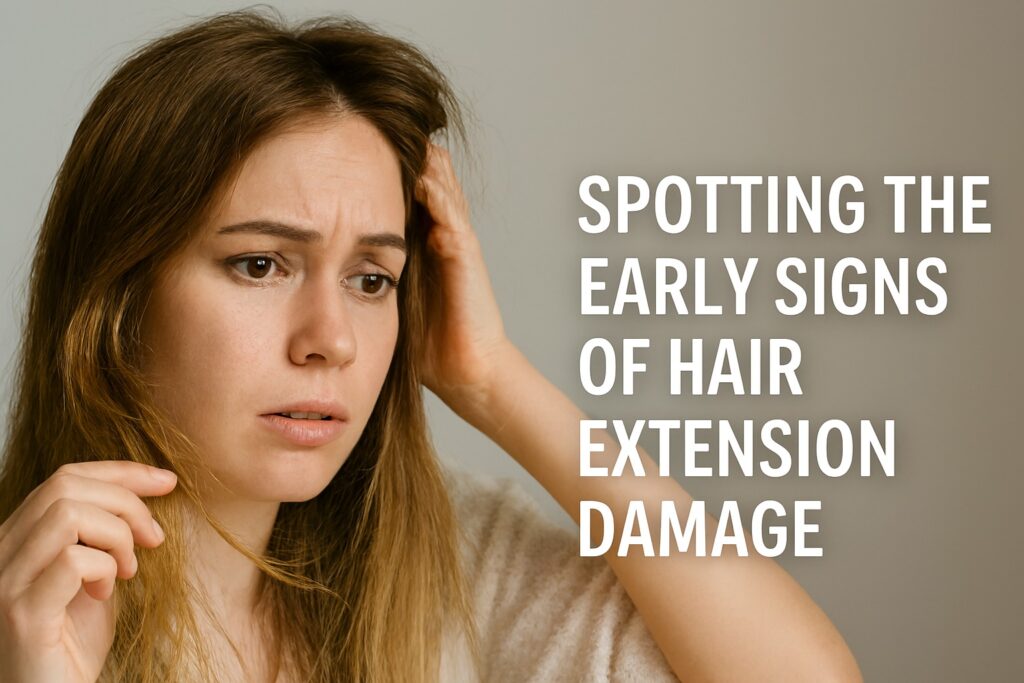
Recognising Hair Extension Damage early is crucial. The first sign is often tenderness or soreness on the scalp. If brushing or touching your hair feels uncomfortable, it may be a warning that the extensions are pulling too much. Increased shedding is another indicator. While it is normal to lose some hair daily, noticing more strands than usual on your pillow or in the shower suggests that the extensions are causing strain.
Broken hairs around the hairline or at the roots where the extensions are attached are also a red flag. Some people experience itching or inflammation, which can weaken the follicles if left untreated. Paying attention to these signals allows you to act before the damage becomes severe.
Preventing Hair Extension Damage
The best way to deal with hair extension damage is to prevent it from happening in the first place. Choose the right type of extensions for your hair to protect its health. If you have fine hair, opt for lightweight options such as tape ins, micro links, or clip in hair extensions, as these tend to be gentler than heavy bonded methods. A skilled stylist at a trusted salon can assess your hair and recommend the safest option for your hair type.
Commit to regular maintenance to keep both your extensions and natural hair in good condition. Adjust or remove extensions at the recommended intervals to avoid matting and excess tension. Leaving extensions in for too long often leads to damage because your natural hair continues to grow while the extensions stay fixed in place. Professional salons schedule timely upkeep to reduce strain and minimise risk.
Handle your extensions with care every day. Brush gently, use suitable hair care products, and limit excessive heat styling to maintain hair strength. Apply nourishing treatments and scalp friendly oils to support healthy roots. Make time for breaks between installations so your scalp can recover, which helps prevent long term damage and encourages healthy hair growth.
Repairing Hair Extension Damage
If you are already experiencing Hair Extension Damage, do not despair. Hair is resilient when given the right care. The first step is to remove the extensions to relieve the tension on your scalp. Once they are out, focus on strengthening your natural hair with a gentle routine. Avoid harsh shampoos and heavy styling products. Instead, use deep conditioning treatments, protein masks, and regular scalp massages to restore vitality.
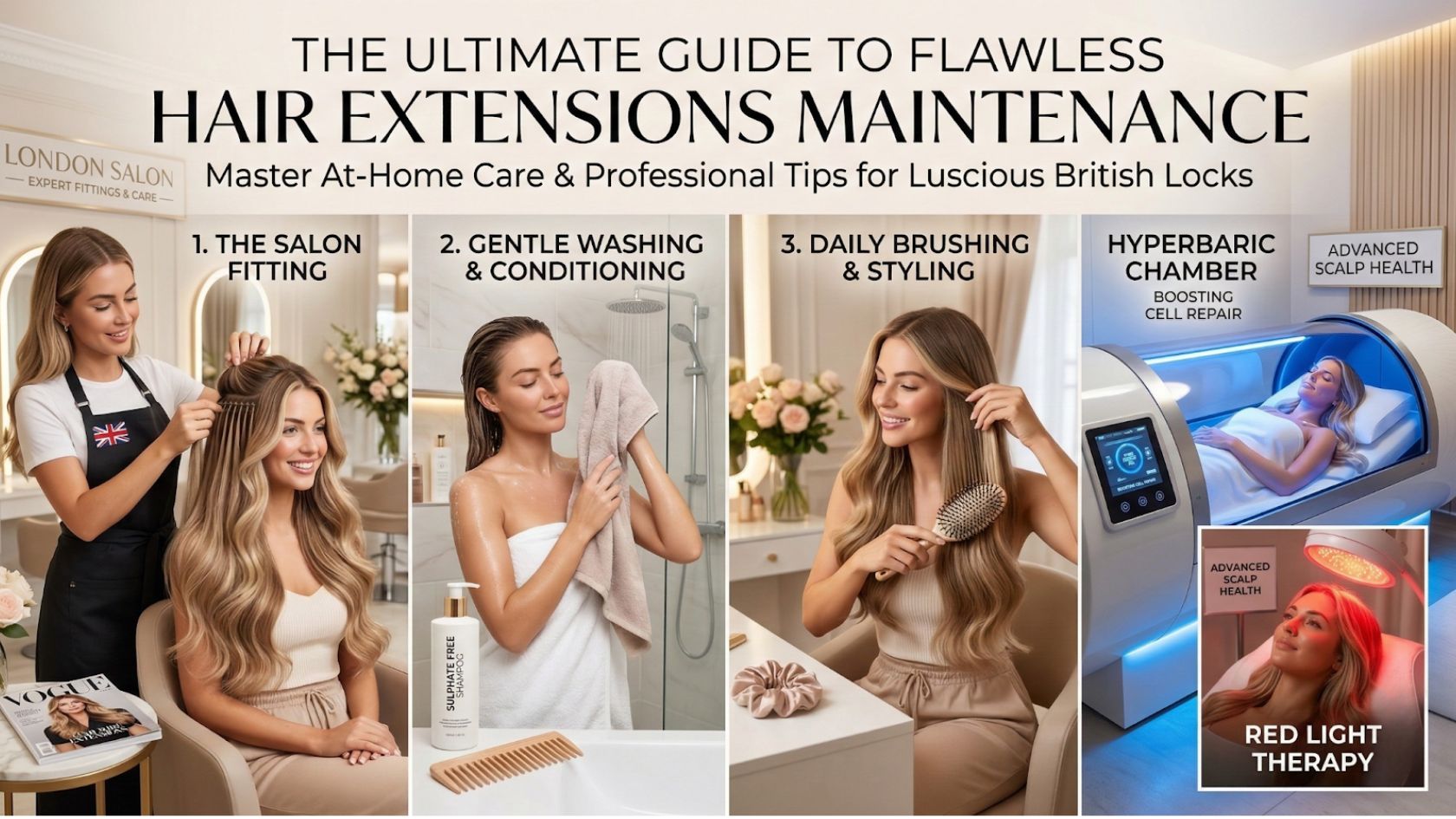
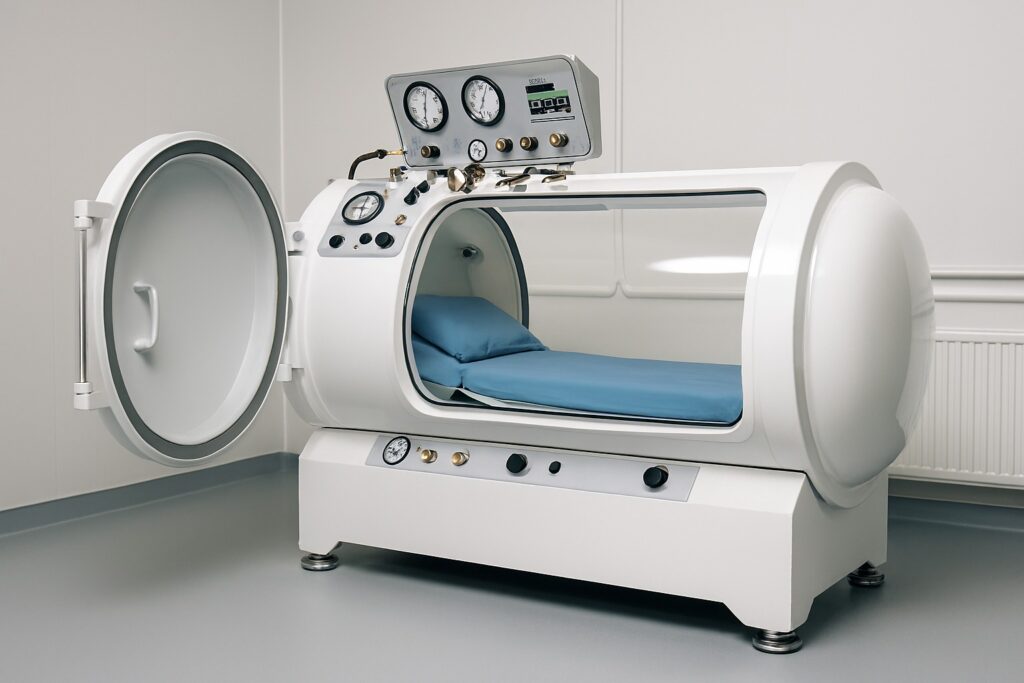
Some people explore advanced wellness treatments to support recovery. Spending time in a hyperbaric chamber is believed by some to improve oxygen circulation, which may indirectly benefit hair and skin health. Others turn to red light therapy, which is often used to stimulate cellular repair and may help improve scalp condition. While these treatments are not miracle cures, they can complement a healthy haircare routine.
Cold-based therapies are also gaining attention. Facilities that use a whole body cryotherapy machine or the best cryotherapy machine often promote their services as beneficial for inflammation and recovery. Although these treatments are usually associated with sports recovery, some people find that reducing inflammation helps improve scalp comfort after experiencing Hair Extension Damage.
When Professional Help is Needed
If severe hair extension damage develops, or you notice bald patches, ongoing pain, or significant thinning, it is time to consult a professional. A trichologist specialises in hair and scalp health and will assess your condition and offer tailored advice. They can recommend targeted treatments, practical lifestyle changes, or medical interventions to support healthy regrowth.
A professional stylist can also guide you in returning to extensions safely if you choose to wear them again. They will evaluate your hair’s strength and recommend gentler methods or shorter wear times to minimise the risk of further damage.
Balancing Beauty and Hair Health
Hair extensions can be a wonderful way to express your style and boost your confidence. The key is to use them responsibly and recognise the signs of hair extension damage before it becomes serious. With the right approach, you can enjoy the beauty and versatility of extensions while protecting your natural hair.
Choose the right extension method, follow a gentle haircare routine, and give your scalp regular time to rest to significantly reduce the risk of damage. If you ever feel unsure, seek advice from a professional who understands both the aesthetic and health aspects of hair.
Your hair deserves the same care and attention you give to every other part of your wellbeing. With a mindful approach and the right support, you can enjoy the best of both worlds: beautiful extensions and a healthy, thriving head of natural hair.
Style Without Sacrifice: Keeping Your Natural Hair Healthy
Hair extensions can beautifully enhance your style and boost your confidence, but you should never sacrifice the health of your natural hair. When you understand the risks of hair extension damage and take steps to prevent them, you can enjoy extensions safely and confidently. Choose the right method, follow a gentle care routine, and allow your scalp enough time to rest so you protect your hair while enjoying the versatility extensions offer.
If you notice early signs of strain such as shedding, tenderness, or breakage, act quickly. With proper care, professional guidance, and a bit of patience, you can help your hair recover and thrive again. Extensions should enhance your beauty, not create stress, and when you use them mindfully, they remain a positive part of your style journey.
Your hair forms a key part of your identity, and it deserves the same care you give to your overall wellbeing. Treat it with kindness, pay attention to its signals, and you will enjoy both stunning extensions and strong, healthy natural hair for years to come.
FAQ
Can hair extensions permanently damage my natural hair?
Hair Extension Damage is usually reversible if caught early. Most problems come from tension, weight, or poor maintenance. If extensions are worn responsibly and removed at the right time, permanent damage is rare. However, ignoring early signs such as thinning or soreness can lead to long‑term issues like traction alopecia.
How can I tell if my extensions are harming my hair?
Look out for tenderness on the scalp, increased shedding, broken hairs near the roots, or itching and inflammation. These are early indicators that your extensions may be causing strain. Acting quickly helps prevent lasting damage.
What type of extensions are least likely to cause damage?
Lightweight options such as tape‑ins or micro‑links are generally gentler on fine or fragile hair. Heavy bonded extensions can put more strain on the roots. The safest choice depends on your hair type, so consulting a professional stylist is always best.
How long should I keep extensions in before removing them?
Most stylists recommend removing or adjusting extensions every six to eight weeks. Leaving them in for longer increases the risk of tangling, matting, and Hair Extension Damage because your natural hair continues to grow while the extensions stay fixed.
Can I repair Hair Extension Damage at home?
Yes, mild damage can often be improved with a gentle routine. Use nourishing shampoos, deep conditioning treatments, and scalp massages to restore strength. Avoid harsh chemicals and excessive heat. For more severe damage, professional advice from a trichologist may be necessary.
Do wellness treatments help with recovery?
Some people explore therapies such as spending time in a hyperbaric chamber, trying red light therapy, or using facilities with a whole body cryotherapy machine. These treatments are often promoted for recovery and inflammation, and while they are not miracle cures, they may complement a healthy haircare routine.
Should I stop using extensions altogether if I have experienced damage?
Not necessarily. Many people return to extensions after giving their hair time to recover. The key is to choose gentler methods, avoid excessive tension, and follow proper maintenance. With professional guidance, you can enjoy extensions without compromising your natural hair.